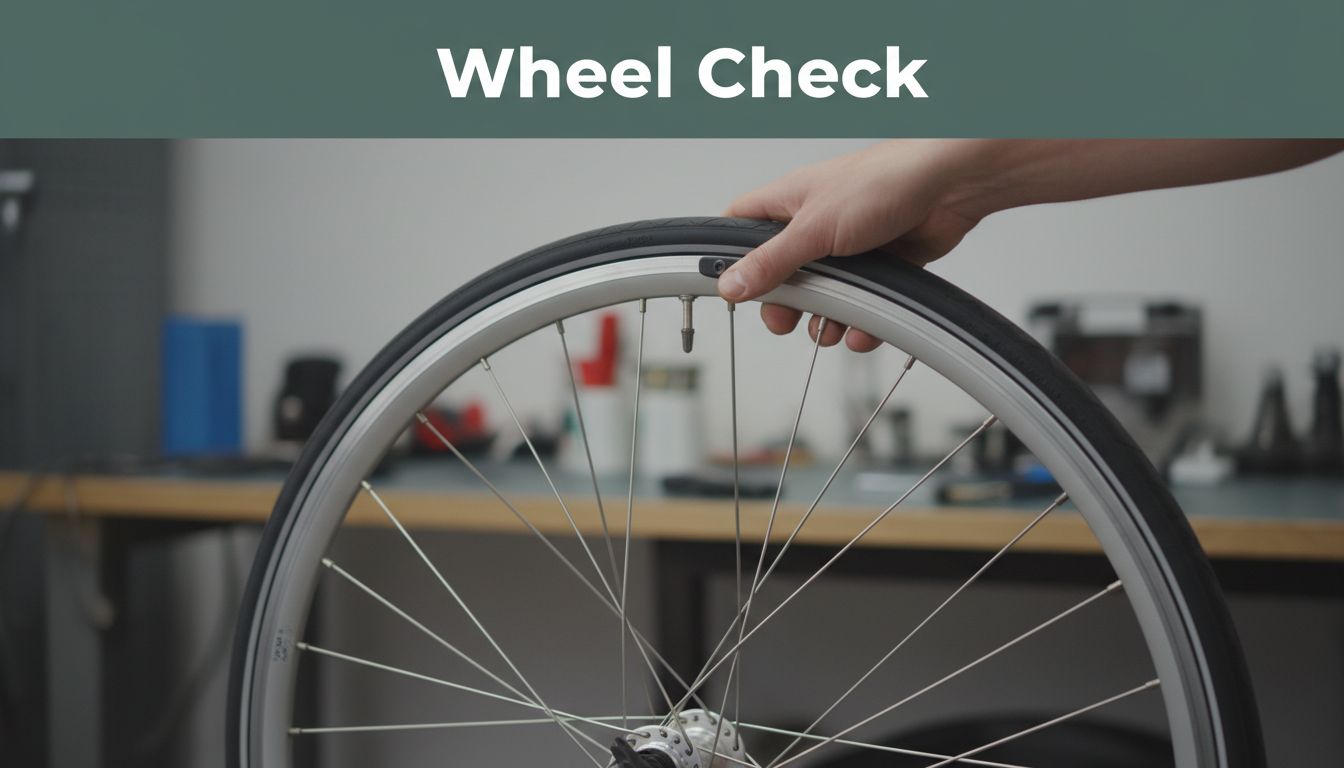
Ever hit a pothole and felt your bike wobble right after? Those shaky rides can turn fun spins into scary moments. Wheel trueness means your rim runs straight and true, with no side-to-side hops or up-and-down bumps.
Brake pads hug the rim so close they act as a perfect guide for checks. You spot issues early, keep handling sharp, and skip big repair bills. This method works best on rim brake bikes and needs no fancy gear.
Best part? You gain confidence for quick DIY fixes. Let’s start with signs that scream for a check.
Spot Early Signs Your Bike Wheels Need a Trueness Check
Riders often ignore small shakes until they grow. Potholes bash rims. Crashes bend them. Loose spokes let tension slip. These cause out of true wheels that rub brakes or feel unstable.
Lateral trueness means no side wobbles, like a steady hula hoop spin. Radial trueness keeps rims even in depth, unlike a bumpy wagon wheel. Brake pads catch both because they sit right there.
Lift your bike. Spin a wheel by hand. Feel vibrations? That’s your cue. Does your bike shimmy on straight roads? Time to inspect closer.
Listen for Rubbing Noises from Brakes
A steady scrape during wheel spins points to rim hits on pads. It gets louder when you brake hard. Dirt hides it at first, so clean rims often.
Ride safe if you hear this. Pull over soon. Brakes wear faster from constant rubs, and control drops.
Feel for Wobbles While Riding
Shakes kick in at speed, often on descents. Corners feel loose. Your bars twitch left then right.
Pull over if shakes worsen. A brake pad check confirms it safer than road tests. Early spots prevent crashes.
Gather These Basic Items for Your Wheel Check
You don’t need a shop trip. Grab these at home for a solid setup.
- Bike stand or flip the bike upside down on seat and bars: Keeps wheels spinning free.
- Clean rag: Wipes grime from rims and pads for clear views.
- Flashlight: Casts shadows on tiny gaps or rubs.
- Feeler gauge or ruler (optional): Measures exact wobbles.
- Allen keys: Centers brakes if needed.
Clean pads and rims first. That gives true reads. Wear gloves if parts look greasy. Now you check wheel trueness at home in minutes.
Prep brakes too. Loosen pads. Center them for equal gaps. Tighten back snug. This sets an even base.
Step-by-Step: Use Brake Pads to Gauge Wheel Trueness
This spin wheel brake rub test takes 5 to 10 minutes per wheel. Do front and rear. Rim brakes only, since discs use calipers differently.
Set up stable. Spin hard for real speed feel. Watch from behind. Repeat spins three times for sure results.
Safety first. No road spins here.
Secure Your Bike and Center the Brakes
Flip the bike or use a stand. Wheels hang free.
Check pad gaps. They should match top to bottom. Loosen bolts if tight. Nudge arms central. Tighten firm.
This even start shows true wobbles, not brake skew.
Spin the Front Wheel and Watch the Pads
Give a strong flick. Watch rim pass pads.
Look for rubs or near-misses. Note max wobble spots. Rim drifts side to side? That’s lateral.
Hold a finger near pads. Feel air puffs change. Shine flashlight. Shadows highlight dips.
Front wheels take hits first from steering. Check it often.
Repeat for the Rear Wheel
Same spin for rear. Derailleur might nudge view, so peek around.
Rears suffer from chain pulls and cassette wear. Rubs often low near pads.
Spin steady. Mark bad spots with tape if needed. Compare to front.
Measure Wobble for Precision
At worst spots, slip a feeler gauge between rim and pad. Note side gap changes; that’s lateral.
Thumb test works too. Press rim to pad. Feel play over 1mm?
Radial? Watch rim depth past pads. Ruler helps here. Log numbers for both directions.
Decode Your Results and Decide on Fixes
Tolerances matter by ride style. Under 1mm lateral suits most. Aim for 0.5mm ideal. Radial stays under 2mm usually.
Out beyond that? Decide tweaks or shop help. Regular monthly checks prevent big bends. Skip curbs to stay true.
Wheel trueness tolerances vary, but smooth stops and less pad chew reward fixes.
Acceptable Wobble Limits for Different Riders
Commuters handle 1 to 1.5mm lateral fine. Daily paths forgive some play.
Racers cap at 0.5mm max. Aero and speed demand tight.
Factors count too. Bigger wheels (29ers) hide wobbles better. Fat tires mask them. Skinny race rubber shows all.
Easy Spoke Tweaks vs Calling a Pro
Minor wobbles? Tighten spokes opposite the hop. One quarter turn at a time. Spin and recheck.
Practice on junk wheels first. Nipples stick sometimes.
Over 3mm or bad radial? Shop time. They true stands beat home tries.
Brake pads serve as your free gauge for wheel health.
Grab your bike now. Run this check today. Share your wobble finds or fixes in comments below.
True wheels mean safer stops and zippy rides. Check often. Smooth paths wait.