Picture this. You pull up to a gas station on your bike. The pump nozzle stares back, but it won’t fit your tire valve. Air hisses out instead of in. Frustration hits hard because most pumps match car tires, not bikes.
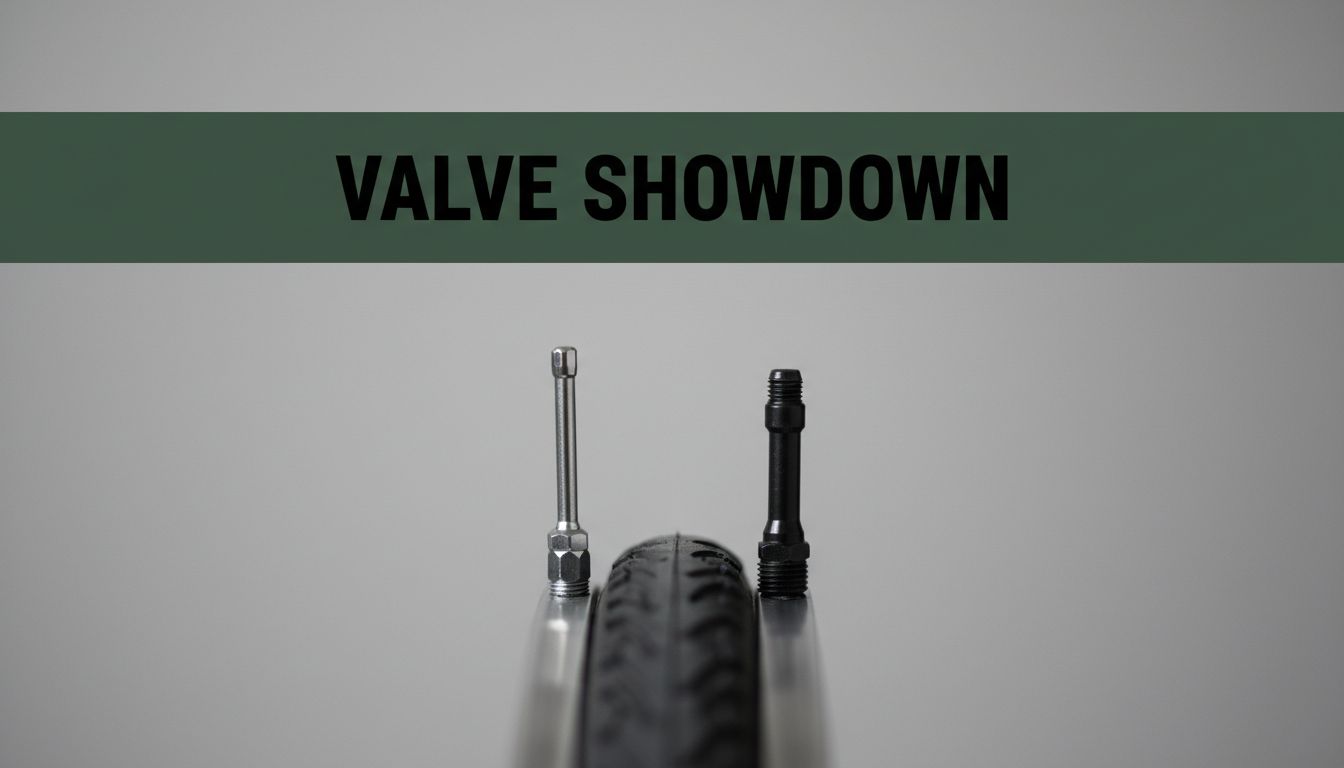
Bikes use two main types: Presta and Schrader valves. They look different and work in distinct ways. Presta suits high-pressure road rides. Schrader fits casual cruisers. Knowing them saves you time and prevents flats.
This guide breaks it down simply. You’ll learn each valve’s design, strengths, and best uses. Then compare them head-to-head. Finally, master adapters to inflate anywhere. Beginners and pros both gain from this. No more pump struggles on the road.
What Makes a Schrader Valve Tick? Your Quick Guide
Schrader valves look familiar. They match car tires with a wide base and central pin. Press the pin, and air rushes out. A spring snaps it back to seal air in.
This design holds steady pressure. It thrives on hybrids, cruisers, and kids’ bikes. Most handle up to 60 PSI safely. Therefore, they suit everyday paths.
Pros shine bright. Standard pumps fit them easily. They last long and cost little to fix. However, they add bulk. High pressure pushes their limits.
Think of Schrader as the bulldog of valves. Tough for rough streets, but not built for speed demons. Check leaks by pressing the pin briefly. If air escapes too fast, tighten the cap.
Spotting a Schrader Valve on Your Bike
Look for the chunky head first. It measures about 8mm wide. A black plastic or metal cap covers it often.
The core removes like a car’s. Use a tool to twist it out. Presta stems look skinny by contrast. Schrader rules entry-level bikes.
Find them on inner tubes or rims. No mistaking that bold profile.
Schrader Strengths and Limits in Real Rides
Schrader excels on casual spins. Gas stations pump them without fuss. Aim for 30 to 60 PSI sweet spot.
Dirt clogs the pin sometimes. High PSI strains the seal. Still, reliability wins for commuters.
In short, pick it for comfort over speed.

Presta Valves Demystified: Slim Design for Serious Cycling
Presta valves stay slim at 6mm. No spring inside. You unscrew the top nut counterclockwise to release air.
This setup seals tight at high pressures. Road bikes and mountain bikes love them. They handle 80 to 120 PSI easily.
Pros include light weight and low leak risk. Cons hit new riders. Special pumps or adapters help. Yet, precision pays off.
Presta acts like a race car valve. Sleek for fast, demanding trails. Loosen the nut first for deflation. Tighten after to lock air.
Common on performance setups. First-timers practice at home.
Identifying Presta Valves at a Glance
Spot the long, thin stem right away. A double-lock nut sits at the top. The tip stays small and pointy.
Silver or black finishes prevail. Cores remove too, but need a different tool. Schrader dwarfs it in size.
Why Pros Love Presta for High-Pressure Tires
Mountain, road, and gravel bikes demand them. Over 100 PSI flows smooth. Aero shape cuts drag.
Rough terrain tests seals. Presta holds firm. Benefits stack for speed seekers.
Presta vs Schrader Side-by-Side: Which Wins for You?
Both valves work well. Choice depends on your ride. Here’s a quick table to compare.
| Feature | Schrader | Presta |
|---|---|---|
| Size | Wide (8mm base) | Slim (6mm stem) |
| Pressure Max | Up to 60 PSI | 80-120+ PSI |
| Pump Fit | Standard, universal | Needs adapter or special |
| Weight | Heavier, bulkier | Lightweight |
| Cost to Replace | Cheap | Slightly more |
| Best For | Cruisers, hybrids | Road, MTB |
Schrader wins for city commutes. Gas pumps grab it fast. Presta rules off-road or races. High PSI demands its grip.
Swapping valves costs effort. New tubes run $10 to $20. Stick to your bike’s style mostly.
No perfect pick fits all. City rider? Go Schrader. Trail chaser? Presta calls. What’s your setup?
Valve Adapters: Your Secret Weapon for Effortless Inflation
Adapters solve the mismatch. These tiny tools screw on or flip to fit both valves. Carry one always.
They turn Presta into Schrader shape for pumps. Dual-head pumps do both. Buy at bike shops or online for under $10.
Peace comes from pumping anywhere. Gas stations become allies.
Picking the Best Adapter for Your Setup
Screw-on types attach to Presta tails. Reversible heads switch fast. Digital pumps add some.
Metal beats plastic for strength. Budget picks start at $5. Match your pump head.
Step-by-Step: Pump Your Tires with an Adapter
Follow these steps carefully.
- Check your valve type first.
- For Presta, unscrew the top nut. Press tip to release stuck air.
- Screw adapter on tight. Or flip the head.
- Attach pump. Inflate slow. Watch PSI gauge.
- Remove adapter. Tighten nut firm. Cap it.
Don’t overinflate. Hissing means stop.
Fix Adapter Fails and Pro Tips
Loose fit? Tighten more. Leaks point to bad O-rings. Wrong type swaps the issue.
Clean valves before use. Stash in your saddle bag. Test on a home pump.
Match Your Bike to the Right Valve Type
Tire choice drives the valve. Fat tires pair with Schrader. Skinny high-PSI ones need Presta.
Convert tubes if needed. It runs $10 to $20. Tubeless setups future-proof both.
Mountain bike owner? Presta handles bumps. Road rider? Same. Cruiser fan? Schrader comforts.
Quiz yourself. Fat tires or skinny? That picks the winner.
Adapters let you mix later. Start with factory match for ease.
No drama from wrong picks. Ride happy.

In the end, Presta and Schrader each shine in place. Adapters make them play nice everywhere. Spot the difference, grab the right tool, and roll without worry.
Check your valves today. Share your pump story in comments below. What’s your go-to valve? Subscribe for more bike fixes.
Happy riding awaits. No flats hold you back.