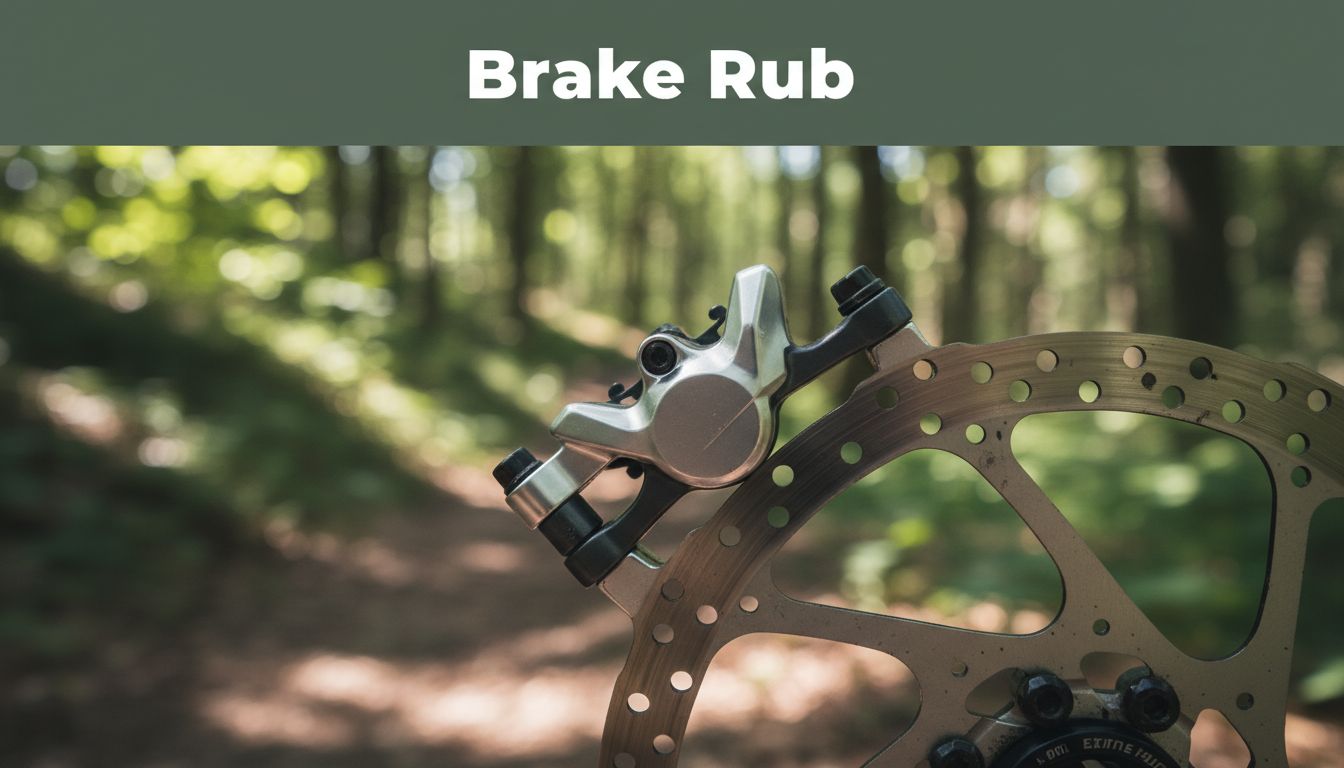
Picture this. You just bombed down a rocky trail on your mountain bike. Adrenaline pumps as you coast to a stop. Then you hear it: that faint scraping noise from your wheel. Your new mechanical disc brakes rub even when you don’t squeeze the lever. Frustrating, right?
Brake rub happens when pads lightly drag on the rotor. This issue hits mechanical disc brakes hard because cables can stretch or pivots loosen. Misaligned calipers sit off-center. Pads don’t clear the rotor fully. Friction builds. Noise follows. Heat rises. Parts wear fast.
Fix it yourself. You’ll get quieter rides, safer stops, and longer life for pads and rotors. No shop bills needed. This post breaks down the science. Then it covers signs, tools, steps, and fixes. You’ll align those calipers like a pro.
The Science Behind Brake Rub in Mechanical Disc Brakes
Mechanical disc brakes rely on a simple setup. You pull the lever. A cable tugs the caliper. One arm moves first. It presses a pad against the spinning rotor. The reaction arm follows. Both pads squeeze tight for stopping power.
Misalignment throws this off. Calipers mount to the frame with two bolts. Crashes jar them. Loose installs shift them. Bad cable tension pulls unevenly. The caliper tilts. One pad rubs constant. The other sits loose.
Physics explains the drag. Rotors spin at high speed. Even light contact creates friction. Heat builds quick because energy turns to warmth, not motion. Rotors can warp from this. Pads glaze or wear thin on one side. Your bike feels sluggish. Speed drops.
Think of a door that sticks. The hinge sits crooked. It rubs every swing. Same here. Mechanical brakes rub more than hydraulic ones. Cables stretch over time. Pivots add play. Hydraulic fluid pushes even, no stretch.
Vibrations make the squeal. Rub causes tiny shakes. Sound waves amplify. Hot rotors hiss too when wet.
Key Signs Your Calipers Are Out of Alignment
Spot rub early. It saves cash on replacements.
Listen for constant scraping when you coast. No lever pull needed.
Feel drag. Spin the wheel by hand. It slows unnatural.
Check heat. After a short ride, rotors stay too hot to touch long.
Look at pads. One side wears faster. Gaps look uneven.
Wheel wobbles? Rub can mimic that. True the rotor first to confirm.
Quick check: Clean everything. Spin free. No rub means alignment issue, not dirt.
Essential Tools for Aligning Your Brake Calipers
Gather basics first. You’ll work clean and precise.
Allen keys top the list. Most calipers use 5mm for mount bolts. Get a set for variety.
Torque wrench matters most. Over-tighten warps things. Aim 4-6 Nm typical for mounts. Cheap click types work fine.
Clean rag and isopropyl alcohol wipe rotors spotless. Dirt fakes rub.
Optional: Caliper tool or ruler measures gaps even. Fingers work too.
Bike stand holds steady. Upside-down on grass risks scratches.
Fresh gloves keep grease off. No power tools. They strip bolts easy.
| Tool | Purpose | Budget Tip |
|---|---|---|
| 5mm Allen key | Loosen/tighten caliper bolts | Multi-tool has one |
| Torque wrench | Precise tightening (4-6 Nm) | Rent if rare use |
| Isopropyl alcohol + rag | Clean rotor/pads | Home supply |
| Ruler or alignment tool | Check equal gaps | Cardboard shim free |
Prep saves time. Confidence builds when ready.
Step-by-Step Guide to Centering Mechanical Disc Brake Calipers
Work one brake at a time. Front first often rubs worst. Secure bike. Test after.
True the rotor if bent. Use a plastic tire lever to bend back slight wobbles.
Secure the Bike and Loosen the Caliper Bolts
Flip bike or use stand. Rear needs wheel out sometimes.
Find two caliper mount bolts. Loosen halfway with Allen key. Don’t drop them.
Spin wheel free. Note rub spot. Top or bottom pad drags?
Wipe rotor dry. Alcohol cuts grime fast.
Center the Caliper Over the Rotor
Squeeze brake lever firm. Pads center natural on rotor.
Hold squeeze. Spin wheel slow. Feel for even drag.
Tap caliper gentle while spinning. Gravity settles it central.
Eye gaps. Pads equal distance top to bottom. Ruler confirms 0.5-1mm each side.
Release lever slow. No rub yet.
Tighten Bolts Evenly and Check Tension
Torque first bolt snug. 2 Nm light. Then opposite bolt same.
Full torque next. Alternate till even at 5 Nm spec. Check bike manual.
Spin wheel. Rub gone? Good.
Cable tension next. Turn barrel adjuster out if lever feels mushy. Tight for quick grab.
Repeat center if rub returns.
Final Test Ride and Bed-In Pads
Coast short downhill. Listen close. Feel for drag.
Wheel spin free now. Silent means success.
Bed-in pads. Accelerate to 15 mph. Stop controlled firm. Repeat 10 times. Fade lessens.
Pads grip smooth after.
Troubleshooting Stubborn Rub and Long-Term Prevention
Rub lingers? Check rotor true. Spin with marker. Max 1mm side play ok. Bend or replace else.
Cable stretched? Swap housing and cable. Fresh pull centers better.
Grease pivots light. Stiff ones bind.
Pads too thick? File slight or delta new ones.
Common mistakes: Frame tabs bent from crash. Shim or shop fix.
Over-torque twists caliper. Loctite bolts prevent loosen.
Prevent easy. Spin wheels monthly. Feel rub quick.
Post-ride torque check. Crashes demand full align.
Upgrade cables to sealed. Less stretch.
FAQ: Rub after rain? Dry and center. Hydraulic swap worth it long-term.
Stay ahead. Rub-free means safe fun.
Aligning mechanical disc brake calipers fixes brake rub fast. You grasp the science now: misalignment drags pads, builds heat, shortens life. Tools stay simple. Steps take 15 minutes per side.
Grab wrenches this weekend. Test your bike. Quieter spins await.
Share your fix in comments. What caused your rub? Smooth brakes boost every trail descent. Ride safe.