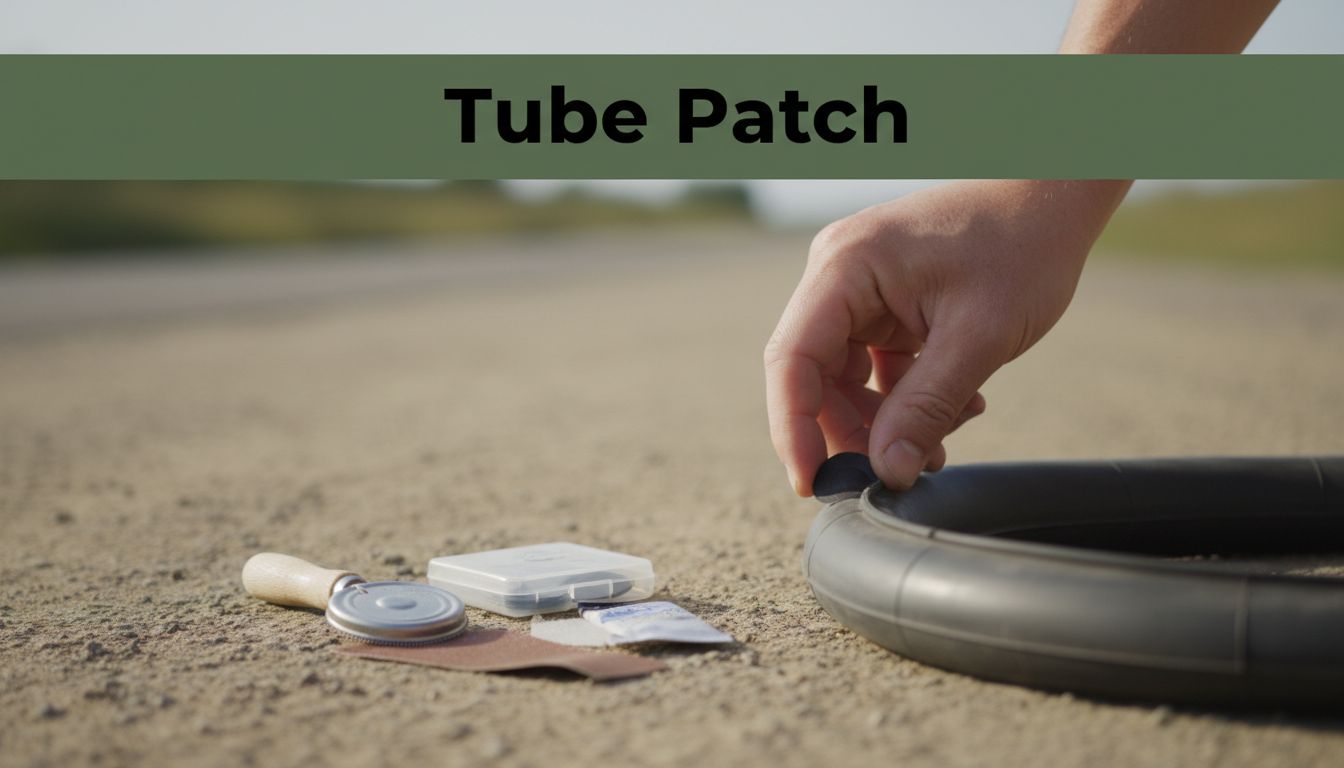
Picture this: you’re miles from home on a quiet backroad. Your bike tire goes flat. No shop nearby. Sticky plugs might get you a block, but they often fail soon after. A permanent rubber cement patch holds for hundreds of miles instead.
This fix uses basic tools you can carry. It takes under 20 minutes with practice. You’ll learn the exact kit, steps from puncture to pump-up, and tricks to dodge errors. Follow along, and flats won’t strand you.
Pack These Essentials for Roadside Tube Repairs
Carry a compact patch kit always. Stash it in your saddle bag under the seat. That way, it’s handy when trouble hits.
Start with two plastic tire levers. They pry the tire bead off the rim without damage. Metal ones scratch rims, so skip those.
Grab vulcanizing patches. Self-contained types have glue built in, but separate ones work better for big jobs. Choose thick ones rated for road use.
Add a tube roughener or fine sandpaper. This scuffs the rubber for a strong chemical bond. Smooth surfaces make patches peel off later.
Pack rubber cement glue. It vulcanizes, or fuses, with the tube under pressure. Get a small tube with an applicator tip.
Use chalk or a marker too. Mark holes from both sides so you don’t lose them. A small bottle of rubbing alcohol cleans dirt for better stick.
Finish with a frame pump or CO2 inflator. You need air to test and ride. Quality kits from brands like Park Tool last years. Cheap sticker patches fail on roads, so invest here.
These items fit in a pouch half the size of your hand. Now you’re set for the road.
Pinpoint the Puncture and Prep Like a Pro
Deflate the tire completely first. Push the valve to release all air. This loosens the bead.
Hook tire levers under one side of the tire. Work them around the rim to pop the bead free. Do one side only to save time. Pull the tube out carefully. Avoid pinching it.
Inflate the tube a bit. Dip it in soapy water or hold near your ear. Bubbles or hisses show the leak. Mark both sides of the hole with chalk.
Deflate again. Roughen a dime-sized area around the puncture. Rub sandpaper until it’s fuzzy and clean. Dirt or shine weakens bonds, so scrub hard.
Wipe with alcohol on a cloth. Let it dry. Your surface now grips like sandpaper on wood.
Apply Glue Evenly for Maximum Strength
Dab rubber cement over the rough spot. Cover a bit beyond the hole too. Use the applicator for a thin, even coat.
Wait 3 to 5 minutes. It dries tacky, sticky but not wet. Test with your finger.
Too much glue traps bubbles that lift edges. Too little leaves gaps. Even layers bond best, so practice patience here.
Press the Patch Firmly and Smooth It Out
Peel the patch backing. Center it over the hole. Match any arrow to the tread direction.
Press from the center outward with your thumb. Hold for 1 to 2 minutes. This squeezes air pockets away.
Rub hard with the patch’s bailer or a coin. Go side to side fast. Full contact seals it tight.
Let it cure 5 to 10 minutes. The glue fuses now. Rushing skips this step and dooms repairs.

Reassemble, Test, and Roll Out Safely
Tuck the tube back into the tire. Keep it smooth, no twists or pinches. Those cause new flats.
Seat the bead with levers. Work around both sides until it snaps in. Spin the wheel to check evenness.
Inflate slowly to half pressure. Spray soapy water on the tire and tube. Spin and look for bubbles.
Check for bulges or rubs too. Smooth spots mean success. Pump to full PSI if all clear.
Ride the first mile easy. Feel for wobbles. You’re good to go home.
Bail if you see sidewall tears or too many holes. Walk or call for a ride then.
Spot Leaks and Fix on the Fly
Still leaking? Find the missed hole or weak bond. Repatch nearby.
Valve issues cause slow leaks sometimes. Tighten or add a plug if desperate.
Test again with soap. Dry tubes hide problems, so wet checks work best.
Steer Clear of Mistakes That Doom Your Patch
Skip roughening, and patches peel right off. Always scuff first.
Dry glue won’t bond. Wait for that tacky feel every time.
Rushing cure time leads to failures under load. Give it those minutes.
Dirty tubes trap grit. Clean with alcohol, no excuses.
Large tears need tube swaps, not patches. Self-adhesive types slip on roads; cement wins.
Practice at home on old tubes. Muscle memory saves you roadside. Plus, patching keeps tires out of landfills. Reuse beats replace.

A solid roadside patch gets you home safe every time. Kit up today and test your skills.
Share your toughest flat fix in the comments. Subscribe for more bike tips like tire care guides. Flats can’t stop your rides now.