Picture this. You’re grinding up a steep hill during a group ride. Your gears hesitate, skip, and make that awful grinding noise. Everyone pulls away while you fiddle with shifters, frustrated and red-faced.
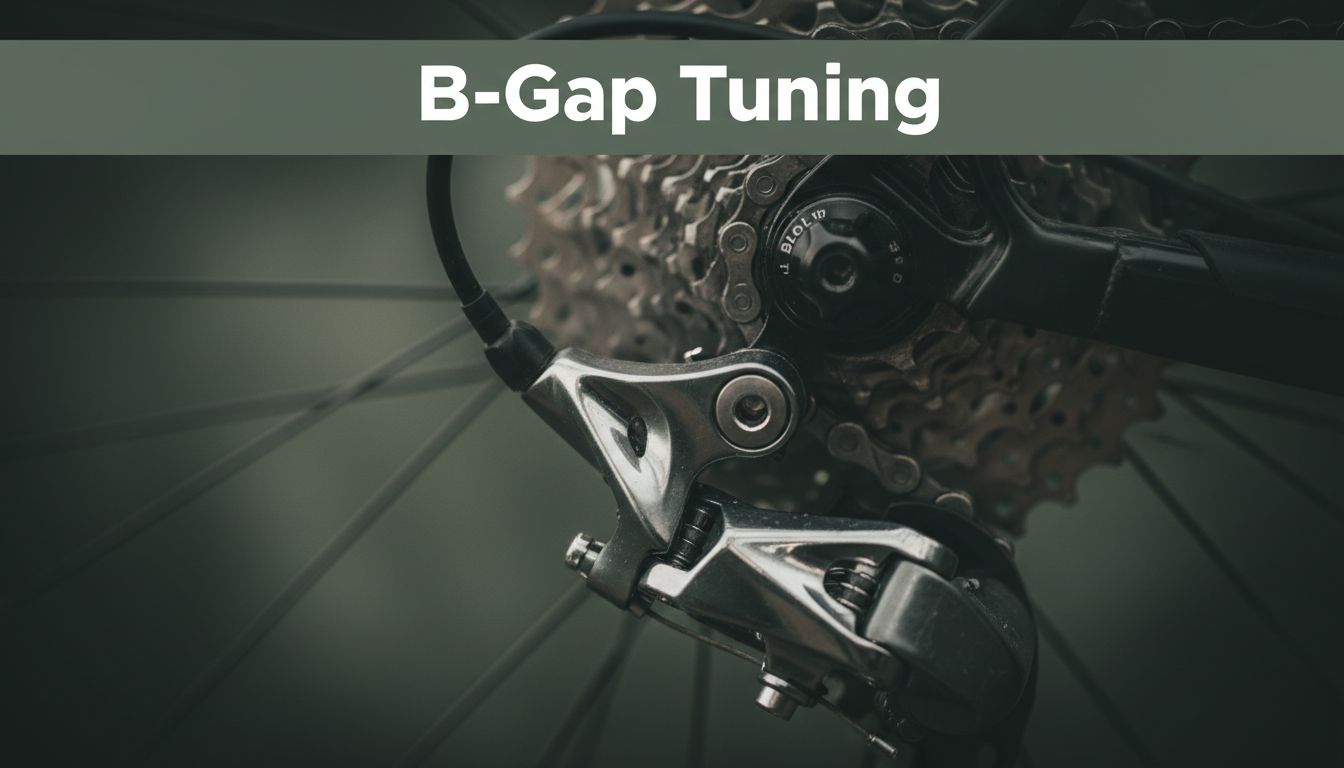
That choppy shifting often comes from one overlooked fix: the B-Gap screw. It sets the space between your derailleur’s upper pulley and the cassette’s smallest cog. This tweak ensures the chain hits the perfect angle for clean shifts.
In this post, you’ll learn exactly what it does, spot when it’s off, adjust it step by step, and keep shifts crisp ride after ride. Let’s start by breaking down its role in your bike’s drivetrain.
What the B-Gap Screw Does in Your Bike’s Shifting System
The B-Gap screw controls the position of your rear derailleur’s guide pulley. It pushes or pulls the pulley toward the cassette’s smallest cog. Most setups need a 5-8mm gap, but check your drivetrain specs. Shimano road groups often aim for 6mm, while SRAM MTB might go up to 10mm max.
This gap optimizes chain wrap around the pulley. It also sets proper tension and entry angle into the cogs. When right, shifts snap into place without hesitation. Think of it like tuning a guitar string. Too loose, and notes buzz. Too tight, and strings snap. The B-Gap dials in that sweet spot for your chain.
Poor gap leads to sloppy chain movement. The chain floats or rubs, causing noise and wear. Proper adjustment means the chain pulls straight and seats firmly on every cog. Riders notice huge differences on climbs or sprints.
Cassette size matters too. Wide-range 12-speed cassettes need precise gaps for small cogs under 11 teeth. Manufacturers tweak specs by groupset. Always consult your manual first. Then shifts feel effortless across the range.
Where to Find the B-Gap Screw on Your Derailleur
Spot the B-Gap screw easily on most derailleurs. Look at the upper knuckle where the derailleur arm pivots. It’s usually the outer screw, often marked “B” or with an arrow.
Shimano derailleurs like XT or SLX place it on the hanger side. SRAM GX or X01 models position it similarly, but check direct-mount vs. hanger-mounted. Hanger-mounted ones sit higher on the frame.
No tools needed to find it. Flip your bike upside down. Shift to the smallest cog. The screw sits right there, ready for a turn. Common sizes use a 4mm or 5mm Allen key.
The Chain Gap It Controls and Why Distance Matters
Measure the gap from the guide pulley’s teeth to the smallest cog’s teeth. Use a ruler or factory gauge. Aim straight across, parallel to the ground.
Too wide a gap slackens chain tension. Shifts get lazy, especially uphill. Too narrow, and the pulley scrapes cogs. That causes rubbing and quick wear.
Physics plays a role here. A good gap keeps the chain’s entry angle sharp. It pulls cleanly onto cogs. For 12-speed road bikes, target 6mm. MTB setups allow up to 10mm because chains handle more wrap.
Get this wrong, and your whole drivetrain suffers. Chain skips or noises build fast. Set it right, and rides stay quiet and precise.
Signs Your B-Gap Is Out of Whack and Ruining Your Ride
Choppy shifts ruin fun fast. Hesitation on small cogs often points to B-Gap issues. Riders blame cables first, but this screw causes most small-cog woes.
Common signs include noise, slap, or delays. These differ from limit screw problems, which stop shifts entirely. Cable stretch causes gradual slop across gears. B-Gap hits hardest on the smallest cog.
Use this quick checklist to diagnose:
- Grind or rattle on small cog?
- Chain hesitates or ghosts shifts?
- Derailleur slaps frame under load?
- Slow downshifts even after tuning?
If yes, tweak the B-Gap before chasing ghosts. Fixes take minutes but transform rides. Ignore it, and wear accelerates on pulleys and cassette.
Noisy or Sloppy Shifts on the Smallest Cog
Rattle or grind from the rear? That’s classic excessive gap. The chain lacks tension and bounces off the cog.
Imagine a group ride. You hit the small cog for a climb. Everyone hears the chatter. You blush as shifts flop. Tighten the B-Gap, and silence returns. Chain seats perfectly.
Sloppy feels like mushy pedals. Power drops because the chain floats. Check gap first, then index if needed.
Ghost Shifting or Hesitant Gear Changes
Phantom shifts spook riders. Gears change without input, or delays frustrate downshifts.
Wrong angle floats the chain. It skips under torque. Smooth setups snap crisply, no drama.
Test on a stand. Pedal hard in small cog. Hesitation screams B-Gap fix. Dial it in, and confidence returns.
Easy Steps to Adjust Your B-Gap for Silky Smooth Shifts
Fix it yourself in under 15 minutes. No pro shop required. Follow these steps for pro-level results.
First, put your bike in a stand. Clean the drivetrain. Lube the chain fresh. Stability matters for accuracy.
- Shift to the smallest chainring and smallest rear cog. Pedals face forward.
- Loosen the B-Gap screw a half turn counterclockwise. Let the pulley swing free.
- Push the pulley back manually. Measure gap to cog teeth. Use a ruler or credit card (about 6mm thick).
- Tighten the screw clockwise while holding position. Snug, don’t crank.
- Shift through all cassette cogs. Pedal with resistance. Listen for clean clicks.
- Recheck gap. Fine-tune if shifts rub or hesitate.
Safety note: Adjust off the bike. No road tests mid-tweak. Tools include 4-5mm Allen keys and a ruler.
Watch shifts improve instantly. Climbs feel snappier. Practice builds skill fast.
Gathering the Right Tools and Prep Work
Grab essentials before starting:
- Bike work stand or secure upside-down position.
- 4mm and 5mm Allen keys.
- Ruler or Shimano/SRAM gap tool.
- Shop towel and chain lube.
Prep cleans issues. Degrease cassette and pulleys. Wipe chain dry. Lube lightly after. Stable bike prevents slips.
Testing and Tweaking After Adjustment
Pedal through gears under load. Use a trainer or tow strap for resistance.
Feel for rubs or noise. Shifts should index perfectly. Recheck gap cold, then after 10 shifts.
Pro tip: Re-index derailleur after. Barrel adjusters fine-tune tension. Now shifts glide like butter.
Extra Tips to Keep Your Derailleur Shifting Like New
Check B-Gap after every crash or new chain. Impacts bend hangers, throwing gaps off.
Mud and dirt wear pulleys fast. Clean weekly if off-road. New cassettes demand reset because cog spacing changes.
Upgrades like ceramic pulleys reduce friction but still need proper gap.
FAQ: Does B-Gap affect front shifting? No, it focuses rear only. But clean chains help both.
Less fuss means longer drivetrain life. Rides stay smooth longer.
Routine Checks and When to Revisit the B-Screw
Inspect seasonally or post-wash. Spin pedals in small cog. Eyeball gap.
Revisit after new parts or big rides. Signs like returning noise mean tweak time. Full service if hanger bends.
Ride Smoother with a Tuned B-Gap
The B-Gap screw transforms frustrating shifts into silky precision. It sets that critical pulley gap for optimal chain angle and tension.
Grab your tools today. Follow the steps, and feel the difference on your next climb.
Share your shift stories in the comments. What fixed your worst gearing woes? Subscribe for more bike tips like cable tuning.
Pedal smoother tomorrow. Your legs will thank you.